Italian cooking on this page is three classics that are easy to get wrong: carbonara, which has no cream; pizza Margherita, which needs only tomato, mozzarella and basil; and risotto alla Milanese, golden with saffron. Each recipe below is the sourced version — the quantities and the method come from the published sources named under each dish.
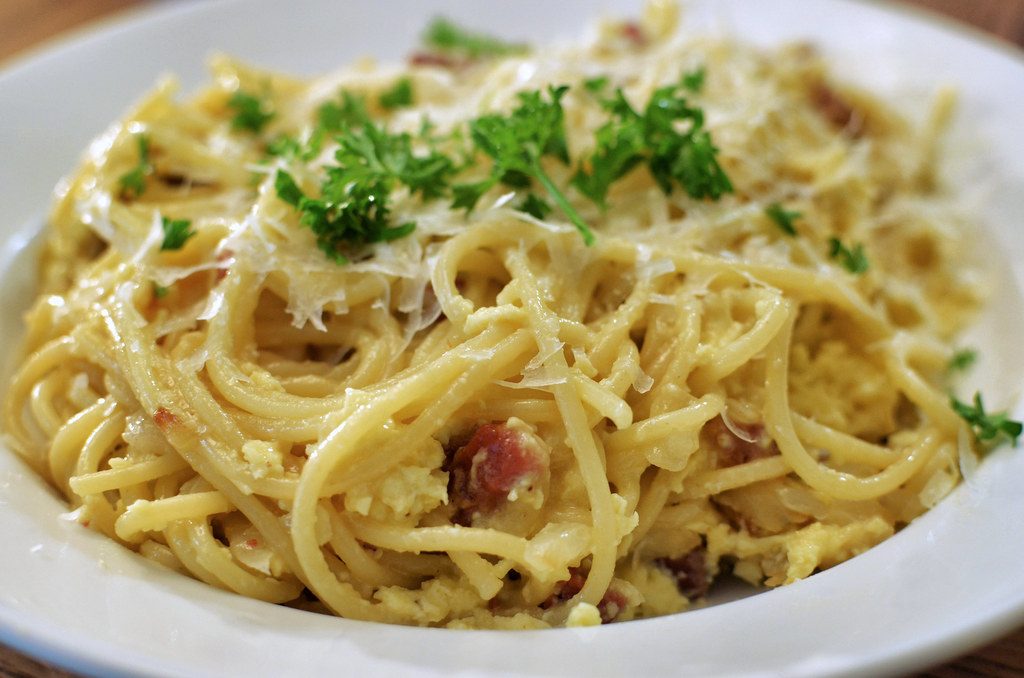
Rome's famous pasta of eggs, cured pork and cheese. Serious Eats notes its exact origin is debated ("even if you subscribe to one of the other, more spurious origin stories…"), and that the dish uniquely combines ingredients from all four major farm animals (eggs, cured pork, cow's- and sheep's-milk cheeses). No cream: the sauce is eggs + cheese + pasta water.
Ingredients
Kosher salt
1 lb (450 g) dried spaghetti
1/2 cup diced guanciale, pancetta or bacon (about 3 oz / 85 g)
3 tbsp (45 ml) extra-virgin olive oil, divided
2 whole large eggs plus 6 yolks
1/4 cup grated Pecorino Romano (about 1 oz / 25 g), plus more for serving
1/4 cup grated Parmigiano-Reggiano (about 1 oz / 25 g), plus more for serving
1 tsp freshly ground black pepper (ground medium-coarse), plus more for serving
Method
Bring a pot of salted water to a boil. Add pasta and cook, stirring, until al dente.
Meanwhile, combine guanciale (or pancetta or bacon) with 2 tbsp (30 ml) olive oil in a large skillet and cook, stirring frequently, over medium heat, until fat has rendered and guanciale is crisp, about 7 minutes.
In a large, metal heatproof mixing bowl, whisk together whole eggs and yolks, Pecorino Romano, Parmigiano-Reggiano and black pepper.
Using tongs and/or a strainer, transfer pasta to the skillet with crisped guanciale and its fat (do not drain the boiling pasta water). Add the remaining 1 tbsp (15 ml) olive oil to the pasta.
Add the pasta mixture to the egg mixture and place the large bowl over the pot of boiling pasta water (double-boiler style, bowl not touching the water). Stir quickly with tongs, adding pasta water as needed, until the sauce is thick and glossy.
Season with more cheese and pepper as needed, then serve immediately.
Good to know: Serious Eats' own step list was truncated in the retrieved excerpt after step 4; steps 5–6 are taken from The Kitchn's verified walk-through of the same Serious Eats recipe. Guanciale is the traditional pork; pancetta or bacon are the source's own listed substitutes.
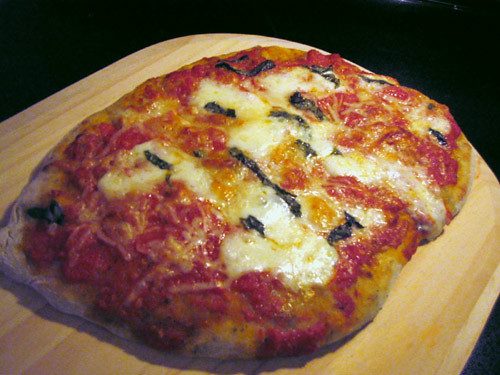
Naples' iconic pizza: tomato, mozzarella and basil. The BBC Good Food version below is the simple home version (thin crust, 2 pizzas).
⏱ Prep 25 min; cook 10 min. Makes 2 pizzas.
Ingredients
300 g strong bread flour
1 tsp instant yeast
1 tsp salt
1 tbsp olive oil, plus extra for drizzling
200 ml warm water (for the dough)
100 ml passata
Handful fresh basil or 1 tsp dried
1 garlic clove, crushed
125 g ball mozzarella, sliced
Handful grated or shaved parmesan
Handful cherry tomatoes, halved
Handful basil leaves (optional)
Method
Base: Put the flour into a large bowl, then stir in the yeast and salt. Make a well, pour in 200 ml warm water and the olive oil, and bring together with a wooden spoon until you have a soft, fairly wet dough. Turn onto a lightly floured surface and knead for 5 minutes until smooth. Cover with a tea towel and set aside. (You can leave the dough to rise if you like, but it's not essential for a thin crust.)
Sauce: Mix the passata, basil and crushed garlic together, then season to taste. Leave to stand at room temperature while you shape the base.
Roll out: If you've let the dough rise, give it a quick knead, then split into two balls. On a floured surface, roll out the dough into large rounds, about 25 cm across, using a rolling pin. The dough needs to be very thin as it will rise in the oven. Lift the rounds onto two floured baking sheets.
Top and bake: Heat oven to 240°C / fan 220°C / gas 8. Put another baking sheet or an upturned baking tray in the oven on the top shelf. Smooth sauce over bases with the back of a spoon. Scatter with cheese and tomatoes, drizzle with olive oil and season. Put one pizza, still on its baking sheet, on top of the preheated sheet or tray. Bake for 8–10 minutes until crisp. Serve with a little more olive oil and basil leaves if using. Repeat for the remaining pizza.
Good to know: The same publisher's "Ultimate" version uses 350 g strong white flour + 25 g coarse semolina, 7 g fast-action yeast, 275 ml tepid water, a 400 g can of plum tomatoes (snipped, with garlic and tomato purée) and 2 balls of buffalo mozzarella (~140 g each), baked 12–15 minutes. San Marzano tomatoes are the usual recommendation for the sauce.
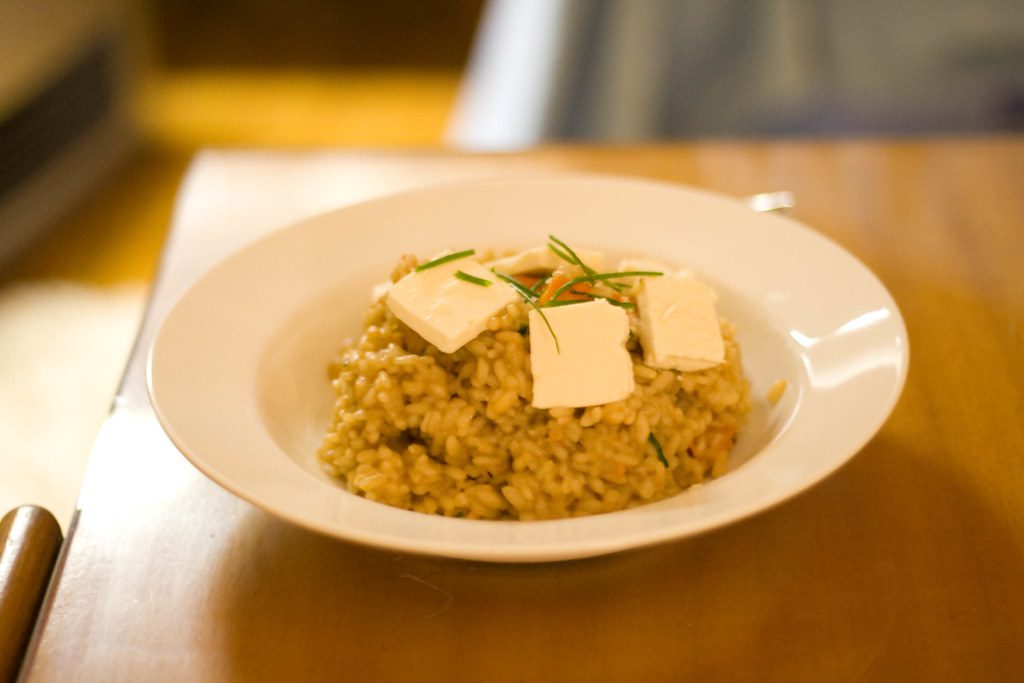
Milan's signature saffron risotto — a mainstay of northern Italian cuisine, made with starchy Arborio rice cooked in beef broth, white wine, shallots and saffron. The Italian Academy of Cuisine's version (via TasteAtlas) is the reference traditional recipe.
⏱ Prep 5 min; cook 20 min; serves 4.
Ingredients
6 tbsp unsalted butter
2 shallots, thinly sliced
1 3/4 cups Arborio rice
1 cup dry white wine
6 cups beef stock, warmed
1 tsp ground saffron
Kosher salt and black pepper, to taste
3/4 cup Parmigiano-Reggiano cheese, plus extra for topping
Method
Melt the butter in a large saucepan over low heat.
Add the shallots to the pan and sauté until slightly softened, about 3–4 minutes.
Add the rice to the pan and increase the temperature to medium-high heat. Stirring frequently, cook the rice until the grains are opaque and toasted, about 5 minutes.
Reduce the temperature to medium heat and add the white wine. Stir constantly until the liquid has mostly evaporated.
Using a ladle, add one ladle of beef stock at a time. Stir until the liquid is fully absorbed before adding another ladle. Repeat until all of the broth has been added and the rice is slightly tender but al dente. If all of the stock has been added and the rice is still firm, add a ladle of hot water.
Turn off the heat and stir in the saffron, salt, pepper and Parmesan cheese.
Cover the pan and let the risotto rest for 5 minutes.
Divide into 4 bowls and serve with additional grated cheese for topping.
Good to know: The Italian Academy of Cuisine version uses 500 g risotto rice, 60 g butter, 30 g beef marrow, 2 L beef broth, 1 finely diced onion, a pinch of saffron dissolved in 240 ml (1 cup) broth, and Parmigiano-Reggiano; Carnaroli rice is the other classic choice (The Mediterranean Dish and The Kitchn both allow Carnaroli or Arborio). Saffron threads steeped in hot broth are preferred over ground saffron where available. Traditionally served as a first course, or with osso buco.