Japanese cooking on this page is three dishes every home cook knows: tonkotsu ramen, the rich pork-bone broth with noodles; the California roll, the inside-out sushi roll that introduced a generation to sushi; and chicken teriyaki, glazed in its sweet-savoury sauce. The recipes below are the Just One Cookbook versions, tested and measured.
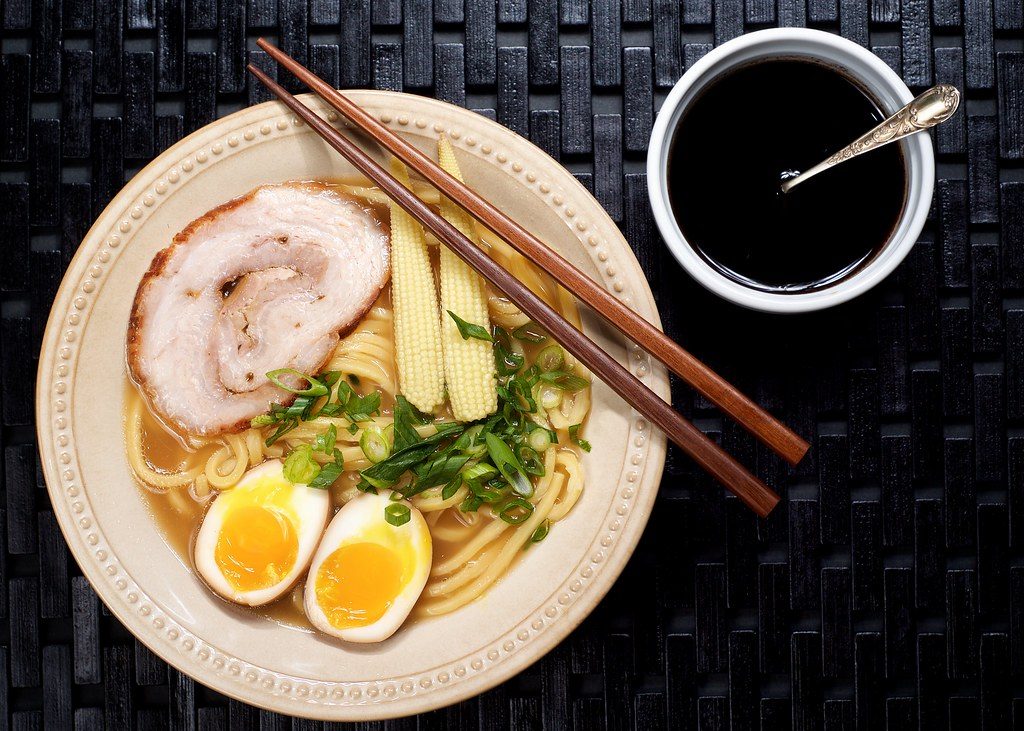
Pork-bone ramen from Kyushu. Just One Cookbook: "traces its roots to Kurume in Fukuoka Prefecture, where a food stall called Nankin Senryo began serving pork-bone ramen in 1937." The broth is made by boiling pork bones until the marrow and collagen emulsify into a milky, rich soup. The recipe below is JOC's pressure-cooker version.
⏱ Serves 4. Total ~5 hr 10 min (prep 1 hr; cook 2 hr 10 min; soaking/pressurising/release ~2 hr). Broth keeps refrigerated up to 3 days or frozen 1 month; store broth and toppings separately; cook fresh noodles just before serving.
Ingredients
Broth: 3 1/2 lb pork leg bones (about 6 pieces; or 4.5 lb / 2 kg pork backbones); 1.3 lb pork hock with skin (or 1 pig foot/trotter); 2 qt water; 1 head garlic (3 oz / 85 g); 1 knob fresh ginger (1 inch / 2.5 cm, skin on)
Shoyu tare (seasoning sauce): 2 tbsp sake; 2 tbsp mirin (sub: per 1 tbsp mirin, use 1 tbsp sake or water + 1 tsp sugar); 4 tbsp usukuchi (light-coloured) soy sauce; 2 tbsp water; 1 piece kombu (2.5×2.5 in / 6×6 cm); 25 g Diamond Crystal kosher salt (about 3 tbsp — weigh it; brands differ)
Cold-brew dashi: 1 piece kombu; 2 dried shiitake mushrooms; 5 dried anchovies (iriko/niboshi) in 2 cups water
Hidden seasonings (kakushiaji): 1 yellow onion, halved with skin on; 2 green onions/scallions, halved crosswise; 2 tbsp rice vinegar (unseasoned); 2 tbsp sake; 1 cup katsuobushi (dried bonito flakes)
Method
Cold-brew dashi: Place the kombu, shiitake and anchovies in 2 cups water in a medium bowl. Set aside to soak while the broth pressure-cooks.
Rinse the bones and hock under running water. Soak in a large bowl of cold water for 15 minutes, changing the water several times (if using backbones, remove the white spinal-cord-like tissue). Peel the papery layers off the garlic (keep the head whole), trim the root end and slice the head in half crosswise. Slice the ginger thin, skin on.
Place the bones, hock, ginger, garlic and 2 qt water in the pressure cooker (at or below the MAX line). Lock the lid, set to Sealing, and Pressure Cook on High Pressure for 60 minutes (allow ~40 minutes to come to pressure and ~60+ minutes for natural release). No pressure cooker: use a large stockpot with an extra 2 cups (500 ml) water and simmer 3–4 hours partially covered.
Tare: Add the sake, mirin, soy sauce and water to a small pot; add the kombu. Heat on medium until nearly boiling, then reduce to low and simmer 3–4 minutes. Turn off the heat, add the salt and stir until dissolved. Cool to room temperature (don't reduce further after adding salt — evaporation concentrates it).
Let the pressure release naturally (~1 hour or longer) until the float valve drops.
Sauté on high and bring the broth to a vigorous boil; skim the scum with a fine-mesh skimmer (don't take too much fat/bone marrow — rendered fat makes the broth rich).
Add the onion and green onions; add 2 tbsp rice vinegar and 2 tbsp sake. Lift the shiitake and anchovies out of the cold-brew dashi and add them to the broth (reserve the dashi liquid and kombu). Add 1 cup katsuobushi and stir. Return to a rolling boil and boil for 30 minutes, skimming occasionally and stirring thoroughly from the bottom every 10 minutes.
Add the reserved dashi liquid (leave the kombu out). Return to a rolling boil and boil another 30 minutes, stirring every 10 minutes.
Strain: Lift the big bones with tongs into a mesh strainer over a clean medium pot, drain and discard. Remove the other solids, strain and press well with a wooden spatula; strain the soup little by little, pressing the solids.
Assemble: Boil a large pot of water for the noodles. Heat the tonkotsu broth and keep covered. Warm the bowls with hot water, empty them, and add 1 tbsp tare to each bowl. Cook the noodles per package to the desired firmness. Just before the noodles are done, add 350 ml (about 1 1/2 cups) hot broth to each bowl. Drain the noodles, divide into the bowls and line them up neatly with chopsticks. Add the toppings and serve immediately.
Good to know: The tare defines the ramen style — shoyu (soy sauce), shio (salt) and miso are the three classic tares. Tonkotsu is the milky Kyushu broth; Tokyo's is usually a clear chicken-based *chintan*.
Recipe source: Just One Cookbook — https://www.justonecookbook.com/wprm_print/easy-tonkotsu-ramen-recipe (page opened 28 Nov 2026; full ingredient list and 10 steps verified)
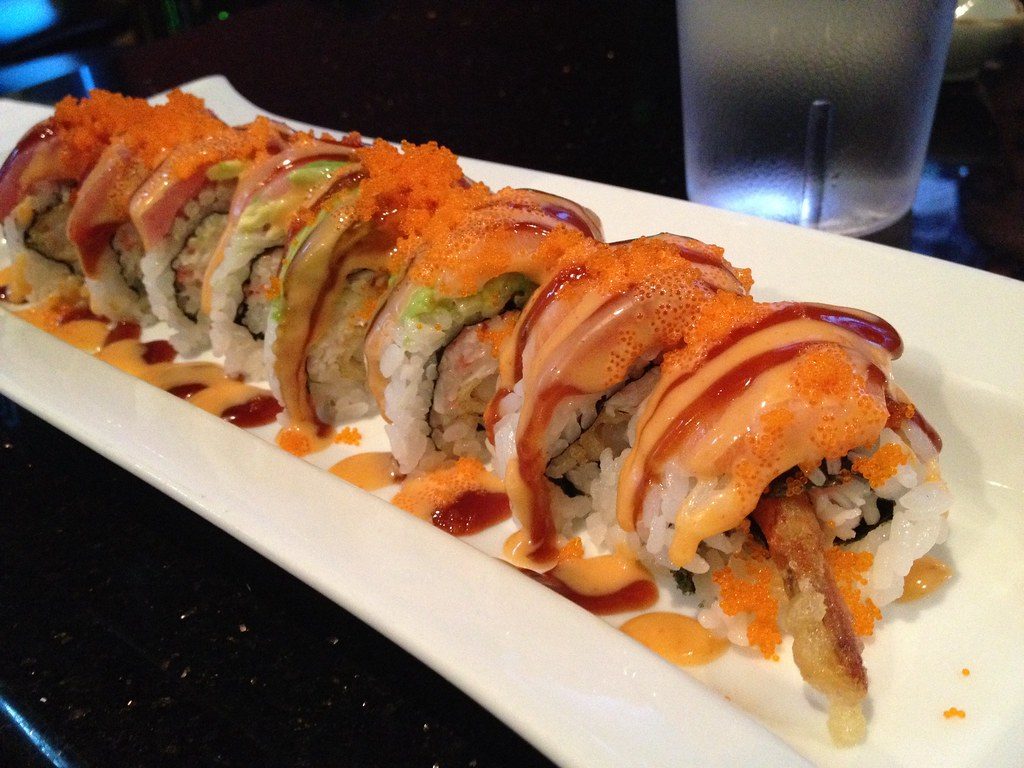
Inside-out sushi roll (*uramaki*) — rice outside, fillings and nori inside. "By far the most popular style of sushi in the US" (Just One Cookbook). Origin is disputed: Japanese-born chef Hidekazu Tojo of Vancouver claims he created it at his restaurant in the late 1970s; Los Angeles chefs make rival claims. The roll was designed to make sushi approachable for Americans wary of raw fish and seaweed.
Ingredients
Sushi rice: 2 1/4 cups uncooked Japanese short-grain white rice (3 rice cooker cups, 540 ml); 2 1/4 cups water; 1 piece kombu (5 g; 2×2 in / 5×5 cm, optional); 1/3 cup seasoned rice vinegar (or homemade, below)
Filling: 5 oz real or imitation crabmeat (1 package / 154 g Kibun surimi; or canned/fresh crab); 1 tbsp Japanese Kewpie mayonnaise; 2 Japanese or Persian cucumbers; 1 avocado (large); 1/2 lemon (for the avocado)
Rolls: 4 sheets nori seaweed; 4 tbsp toasted white sesame seeds; optional toppings: ikura (salmon roe) or yuzu-flavoured tobiko
Homemade sushi vinegar: 1/3 cup rice vinegar (unseasoned); 3 tbsp sugar; 1 1/2 tsp Diamond Crystal kosher salt (half that amount for table salt)
Method
Cook the rice: Wash and rinse the rice; soak 20–30 minutes; cook with the kombu in a rice cooker. (3/4 cup / 110 g prepared sushi rice per roll; 2 1/4 cups uncooked rice yields 6 2/3 cups / 990 g cooked.)
Season: Transfer the hot cooked rice to a large bowl. Drizzle the seasoned rice vinegar on top and incorporate with a rice paddle using a slicing motion. Cover with a damp cloth until ready. *Homemade vinegar:* combine vinegar, sugar and salt in a small saucepan and heat until dissolved.
Fillings: Cut the crabmeat into ~1-inch pieces and mix with the mayonnaise. Slice the cucumber into long pieces, discard the seeds and cut into thin strips. Cut the avocado into thin even slices. Cut the nori sheets in half.
Build the rice layer: Lay a half sheet of nori on a rolling mat covered with plastic wrap. Spread the sushi rice evenly to cover the nori; sprinkle sesame seeds.
Flip the nori so the rice faces down. Line up the crabmeat, cucumber and avocado across the nori, starting 1 inch from the bottom edge.
Roll: Carefully roll the nori and rice over the filling; squeeze into a tight cylinder and press to shape.
Slice each roll into 8 equal pieces with a sharp knife.
Serve with soy sauce and optional pickled sushi ginger and wasabi.
Good to know: Real crab vs surimi (imitation crab) is the main fork — surimi is the common home version. Some rolls add tobiko or salmon roe on the outside.
Pan-seared boneless chicken thighs glazed in a four-ingredient homemade sauce. Just One Cookbook presents this as "the way it's done in Japan" — the classic ratio is 2:2:2:1 (soy sauce : sake : mirin : sugar). The word *teriyaki* combines *teri* (the sheen of the glaze) and *yaki* (grilled).
⏱ Prep 10 min; cook 10 min; serves 2. Keeps in an airtight container, fridge 3 days or freezer 1 month.
Mix the sauce: Combine the sauce ingredients in a small microwave-safe bowl; microwave until hot; mix well to dissolve the sugar; set aside.
Prepare the chicken: Place the thighs smooth side down and score with slits across the meat every 1/2 inch (1.3 cm), without slicing through — do NOT use a meat mallet (it damages the meat) — to create even thickness so the thighs cook evenly.
Sear: Heat a large frying pan over medium to medium-high heat. When hot, add 1 tbsp oil; cook the chicken for 5 minutes (set a timer), pressing down hard with a spatula for 5–10 seconds for a nice sear; flip and sear the other side; switch to low heat, cover with a lid and steam for 3 minutes.
Add the sauce: Increase the heat to medium and add the teriyaki sauce to the pan; spoon the sauce over the thighs until well coated; when cooked through, remove from the pan.
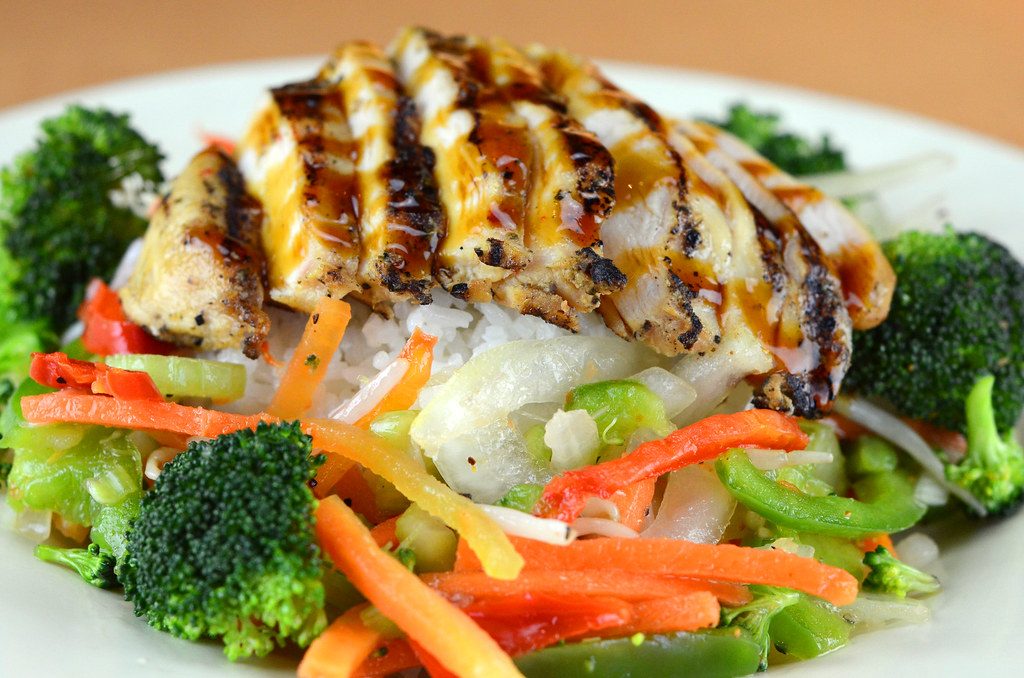
Slice the chicken into bite-sized pieces. Sear with a kitchen butane torch to enhance flavour (or use the broiler).
Serve on a plate or over steamed rice; drizzle 1–2 tbsp of sauce on top.
Good to know: Just One Cookbook warns against adding rice vinegar, honey, brown sugar, sesame oil, apple cider vinegar or sesame seeds for the authentic flavour. A skin-on version is detailed at the end of the source's instructions.