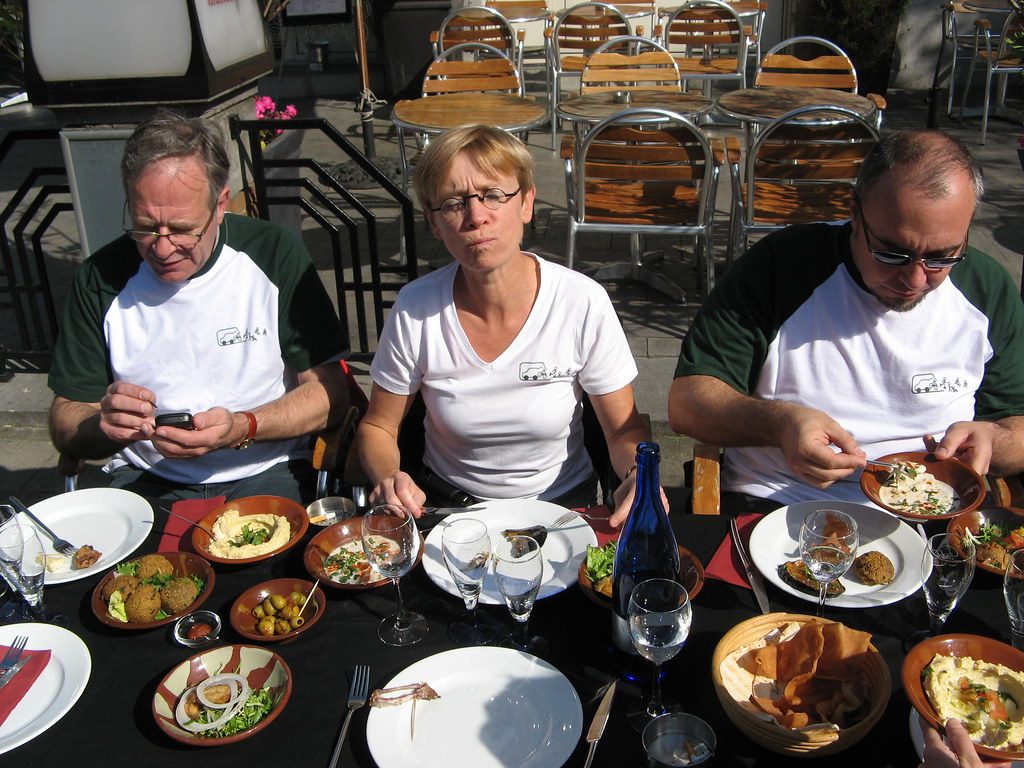
Levantine food — from Lebanon, Syria, Jordan and Palestine — is mezze food: small plates meant to be shared, built on chickpeas, tahini, parsley and olive oil. Hummus, falafel and tabbouleh travel the world now, but this page keeps them in their home versions, with the Jerusalem hummus, the Lebanese falafel and a parsley-first tabbouleh, plus a home shawarma that needs no spit.
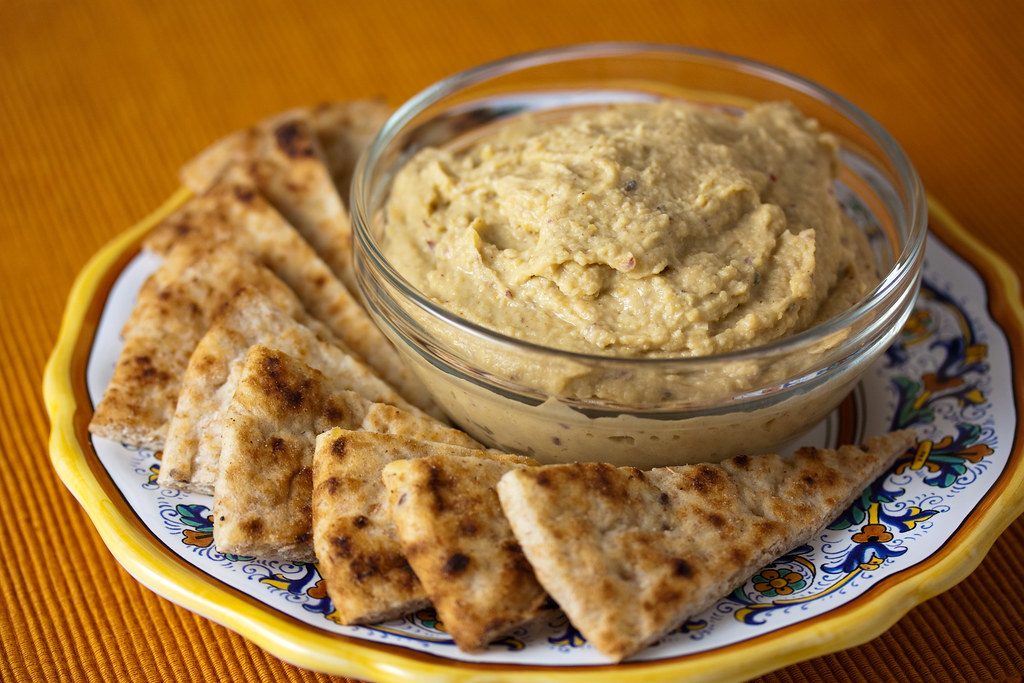
Chickpea-and-tahini purée of the Levant. Serious Eats (reprinting Ottolenghi & Tamimi's *Jerusalem*) notes hummus "is the topic of many food debates in Jerusalem, and every person seems to have their own favorite preparation". Its exact national origin is disputed across the Levant; this recipe is the Ottolenghi/Tamimi Jerusalem version.
Ingredients
1 1/2 cups / 250 g dried chickpeas
1 tsp baking soda
6 1/2 cups / 1.5 litres water
1 cup plus 2 tbsp / 270 g light tahini paste
4 tbsp freshly squeezed lemon juice
4 cloves garlic, crushed
6 1/2 tbsp / 100 ml ice-cold water
Salt
Method
The night before, put the chickpeas in a large bowl and cover with cold water at least twice their volume. Leave to soak overnight.
The next day, drain the chickpeas. Place a medium saucepan over high heat, add the drained chickpeas and baking soda, and cook for about 3 minutes, stirring constantly. Add the water and bring to a boil. Cook, skimming off any foam and skins that float to the surface. The chickpeas need 20–40 minutes (sometimes longer), until very tender — breaking up easily when pressed between thumb and finger, almost but not quite mushy.
Drain the chickpeas (you should have roughly 3 2/3 cups / 600 g). Place in a food processor and process until you get a stiff paste. Then, with the machine still running, add the tahini paste, lemon juice, garlic and 1 1/2 tsp salt. Finally, slowly drizzle in the iced water and mix for about 5 minutes, until you get a very smooth and creamy paste.
Transfer to a bowl, cover the surface with plastic wrap, and let it rest for at least 30 minutes.
Good to know: The same source gives two variations: Musabaha (warm chickpea topping) and Kawarma (fried chopped lamb topping). Many modern recipes use canned chickpeas and olive oil; the Jerusalem version uses dried chickpeas and no olive oil in the purée itself.
Recipe source: Serious Eats, "Basic Hummus from 'Jerusalem'" (Ottolenghi & Tamimi), as reprinted at https://recipe-blogger.blogspot.com/2012/11/basic-hummus-from-jerusalem.html
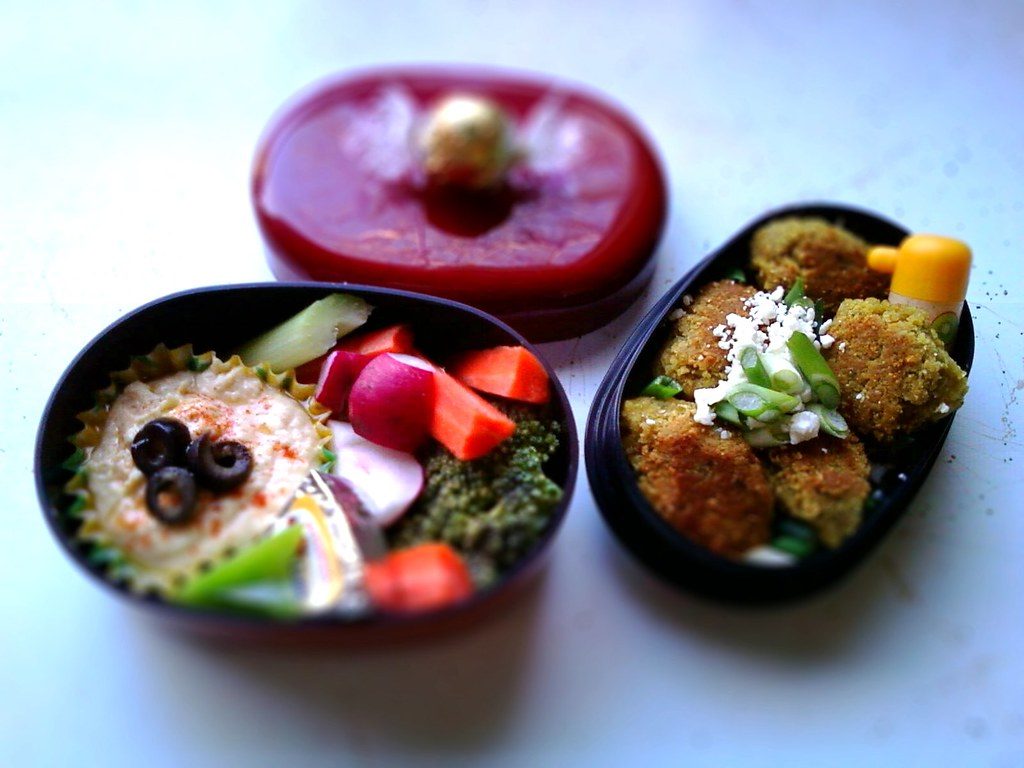
Deep-fried patties of ground soaked chickpeas (Levant) or fava beans (Egypt, where the same dish is called *ta'ameya*). Sources agree the exact origin is disputed between Egypt and the Levant; the chickpea version below is the Lebanese one. The green interior from fresh herbs is the mark of a correct falafel, and canned/cooked chickpeas do not work — only dried chickpeas soaked overnight.
Ingredients
1 lb (450 g) dried chickpeas
1/2 cup fresh parsley
1 medium onion, quartered
2 garlic cloves
2 tbsp flour
1 tsp salt
1 tsp black pepper
1 tsp ground cumin
1 tsp allspice
1 tsp baking powder
Canola oil or any vegetable oil, for frying
2 tbsp sesame seeds (optional)
Method
Soak the chickpeas overnight or up to 24 hours before making. Drain, rinse well and pat dry.
Place chickpeas in a food processor and pulse for a minute or two. Add the onions, garlic, parsley, salt, pepper, flour and spices. Pulse until well combined and a thick paste is formed.
Put the mixture in the fridge for at least an hour. When you take it out, add the baking powder and fold it in.
Heat the oil in a frying pan. Use a scooper (or hands) to form the mixture into small patties/spheres; sprinkle with sesame seeds if using. Fry until golden brown on the bottom, then flip.
Remove and drain on thick kitchen paper. Serve hot, in Lebanon always with tarator (tahini sauce), and alongside mezze such as hummus and foul.
Good to know: Egyptian ta'ameya uses fava beans instead of chickpeas; some Levantine cooks use a chickpea/fava mix. Mint and cilantro are common additions; the Matbakh source notes the original Lebanese way uses only parsley or cilantro. Baked version: drizzle with oil and bake at 450°F (232°C) on the bottom rack for 4–5 minutes.
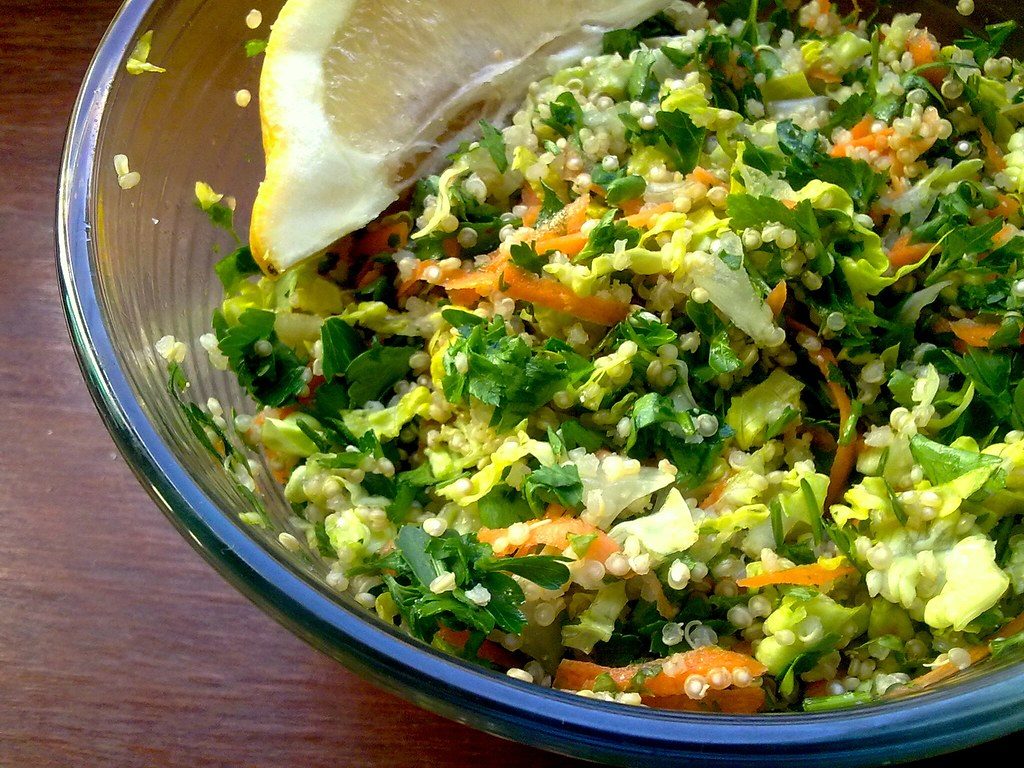
Parsley salad of the Levant. The Forked Spoon notes it originated "in the mountains between Lebanon and Syria sometime in the Middle Ages". Authentic Lebanese tabbouleh is a parsley salad first — bulgur is a minor accent, not the bulk.
Ingredients
2 bunches curly parsley, finely chopped
1 cup diced tomato (about 3 large tomatoes)
6 green onions, white and green parts, finely chopped
1/4 cup fresh mint, finely chopped
1/2 cup extra fine bulgur wheat
1 lemon, juiced
1/4 cup extra virgin olive oil
Salt and pepper, to taste
Method
Rinse the bulgur wheat. Soak it in cold water for 10 minutes. Drain the excess water by squeezing it out with your hands. Set aside.
Put the parsley, tomatoes, green onions, mint and bulgur wheat into a large bowl and gently mix.
Mix the lemon juice and olive oil in a small bowl and pour over the vegetable mixture. Mix well. Taste and adjust seasoning (salt and pepper).
Cover and refrigerate for 30 minutes if possible, or serve immediately.
Good to know: Proportions vary by family: Hadia's Lebanese Cuisine uses 3 large bunches (about 6 cups) parsley to only 1 tbsp fine bulgur, and flat-leaf parsley is preferred in Lebanon over curly. Some versions use a white onion instead of green onions. The constant across sources: parsley dominates, bulgur is a speckle.
Levantine street food: spiced meat roasted on a vertical spit and shaved into pita with tahini sauce and toppings. The Mediterranean Dish version below is a home sheet-pan adaptation (no spit needed); the source notes the stand owner "shaves a layer of shawarma off the spit and piles it into a pita pocket".
To serve: 6 pita pockets; tahini sauce or Greek tzatziki; baby arugula; cucumber-tomato salad; pickles or Kalamata olives (optional)
Method
In a small bowl, mix the cumin, turmeric, coriander, garlic powder, sweet paprika and cloves. Set aside.
Pat the chicken thighs dry and season with salt on both sides, then thinly slice into small bite-sized pieces.
Place the chicken in a large bowl. Add the shawarma spices and toss to coat. Add the onions, lemon juice and olive oil. Toss everything together again. Cover and refrigerate for 3 hours or overnight (if short on time, marinating can be cut or skipped).
When ready, preheat the oven to 425°F (220°C). Take the chicken out of the fridge and let it sit at room temperature for a few minutes.
Spread the marinated chicken with the onions in one layer on a large lightly-oiled baking sheet pan. Roast for 30 minutes. For browner, crispier chicken, move the pan to the top rack and broil very briefly (watch carefully).
While the chicken roasts, prepare the pita pockets, tahini or tzatziki sauce and cucumber-tomato salad.
To serve, open pita pockets, spread a little sauce inside, add the chicken shawarma, arugula, salad and pickles or olives if liked. Serve immediately.
Good to know: The same site also publishes a grilled spit version (whole thighs layered on a vertical skewer, grilled ~1 1/2 hours). Beef and lamb shawarma are the other classic versions; the marinade spices are the same family.